
Speed & Agility
What age should kids start speed and agility training?
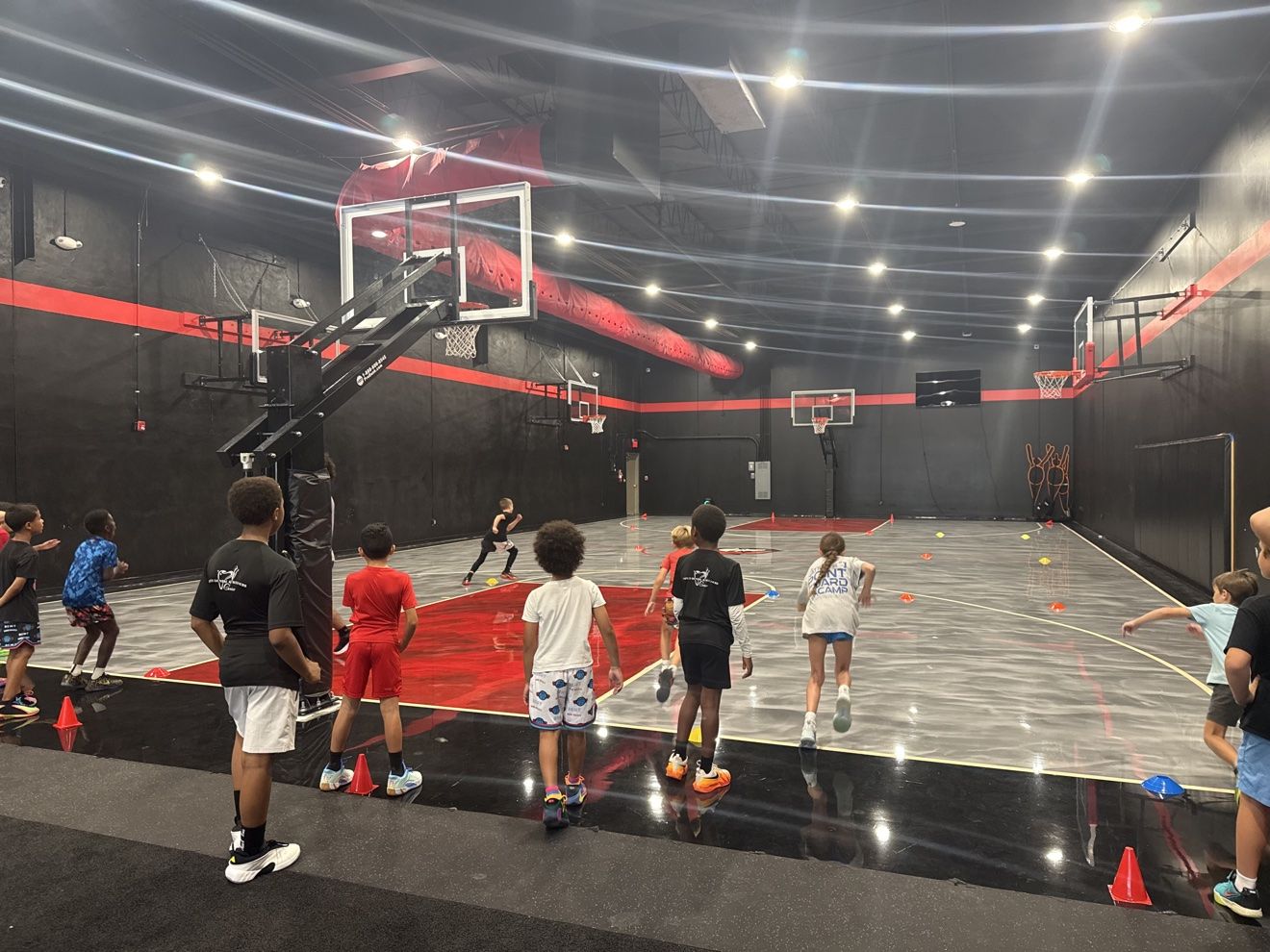
Parents usually ask this question in one of two ways. Either they worry their child is too young and they will do something wrong by starting, or they worry they waited too long and everybody else's kid is already ahead. Here is the plain answer: a child can start learning how to move at almost any age, as long as what you call training matches the kid standing in front of you.
A six year old and a fourteen year old can both be in a speed program. What they do inside it should look very different.
Young kids: movement first, structure second
For younger kids, speed and agility work should look a lot like play with a purpose. Running, jumping, hopping, skipping, stopping, changing direction, chasing, reacting. These are the building blocks of every athlete, and young kids learn them fast because their bodies are wired to learn movement right now.
What it should not look like is an adult workout shrunk down. No heavy weights, no conditioning punishment, no hour of repetitive drills while a coach scrolls a phone. Young kids need short sessions, simple cues, and a lot of variety. If they leave smiling and asking when they come back, you are doing it right.
Older kids: the work gets more specific
As kids get into middle school and beyond, the training can carry more structure. Sprint mechanics get coached in detail. Strength work becomes a real part of the week, taught carefully and progressed slowly. Change of direction work gets sharper, because the games they play are getting faster and the bodies across from them are getting bigger.
This is also the age where bad habits start costing something. A kid who has run with poor mechanics for years can still fix them, it just takes longer than fixing them early. That is the real argument for starting young: not to get ahead of other kids, but to learn it right the first time.
Here is the kind of movement work our younger athletes do:
The real question is not age, it is approach
A well coached seven year old doing hops, skips, and short sprints is in no danger. A thirteen year old thrown into an adult conditioning program by somebody who is not watching him is in the wrong place at any age. The age on the registration form matters far less than whether the coaches scale the work, correct what they see, and know the kids they are training.
It also matters that the kid wants to be there. Movement should feel like something a child gets to do, not something done to him. That is true at seven and it is true at seventeen.
How we group kids at Redline
In our speed and agility program at Redline Athletics Fort Myers, kids train in small groups matched by age and ability, so a younger athlete is never just trying to survive next to a high schooler. The work follows the same idea we use for speed training for kids at every level: teach the movement, build it gradually, and keep watching.
If you are not sure where your child fits, that is exactly what the first session answers. We wrote out what happens at a first SAQ session so you know what to expect before you ever walk in: coaches watch how your kid moves and tell you honestly what the right starting point is.
Free Trial
Start where your kid is.
The first SAQ session at Redline is free, whatever your child's age. We will show you exactly what the work looks like for a kid like yours.